EU is getting closer to standardizing sustainable products through new ecodesign framework regulation.
While EU authorities approve ESPR, they do not forbid the disposal of unsold goods or guarantee that products sold online would be upheld.
A new framework to make products sustainable by design was agreed by the European Commission, Parliament, and Council. The European Environmental Bureau (EEB) regrets the twofold failure to rule out the wasteful destruction of unsold electronics and provide a credible enforcement regime for products sold online. The EEB welcomes the ban on the destruction of unsold textiles and the progressive provisions on cement and substances of concern.
One of the main projects of the Green Deal and Europe’s circular economy goals is the Ecodesign for Sustainable Products Regulation (ESPR). The current Ecodesign and energy labeling framework, which is limited to electrical appliances, is being updated and expanded upon by this strategy.
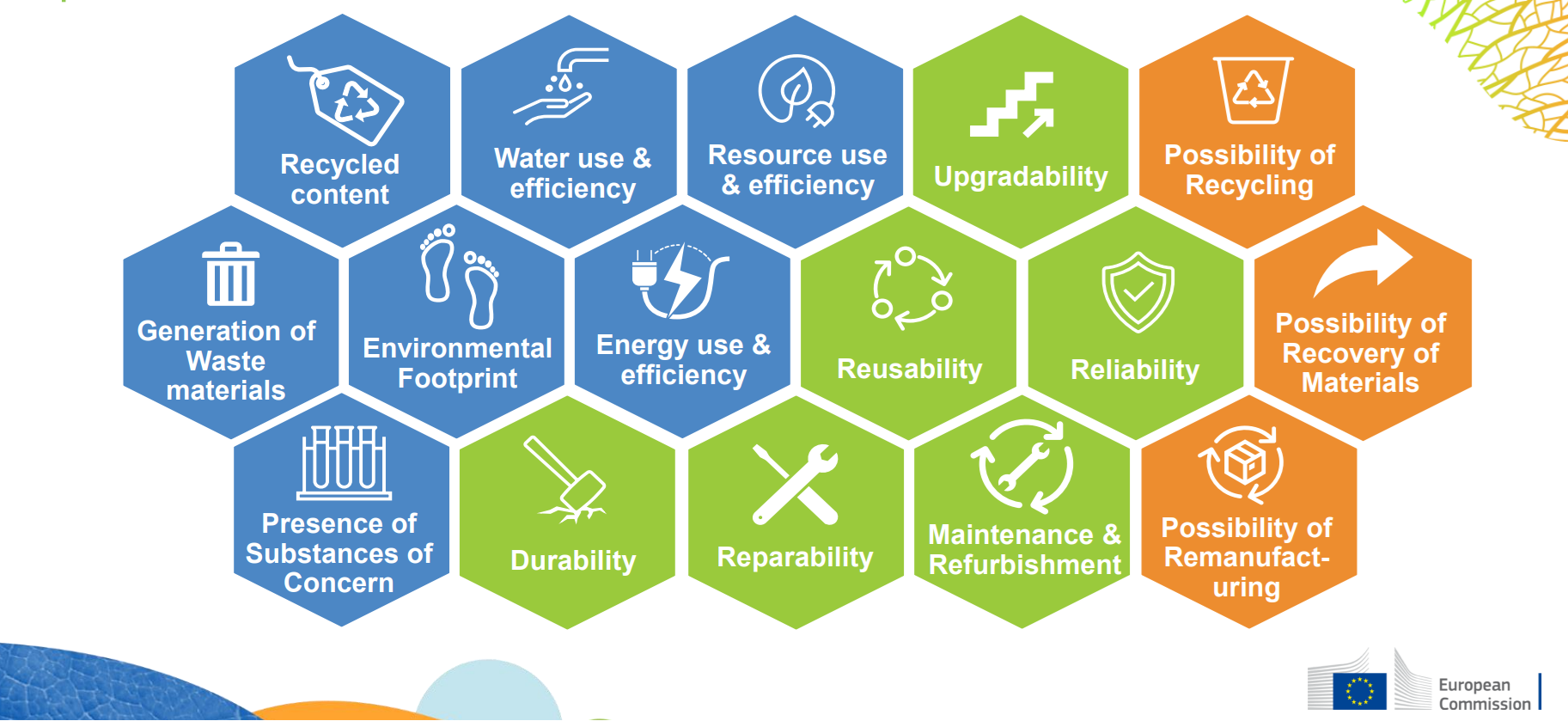
The new rule will impose minimal standards on nearly every product sold in the EU, including durability, efficiency, recyclability, etc. However, other goods were taken out of the scope during the discussions, including cars and military equipment.
The regulation includes clauses that guarantee the traceability of dangerous ingredients in products and allow for their restriction where they pose a risk to human health or recycling. Environmental organizations also applaud the law’s 24-month implementation period, which forbids the destruction of unsold textiles. Nonetheless, proponents lament the absence of a law prohibiting the dismantling of unsold electronics, a widespread commercial practice that is among the most detrimental to the environment in Europe. In the past, green NGOs and companies alike demanded that the destruction of unsold items under the ESPR be immediately stopped throughout the EU, but the European Commission and the representatives of national governments in the Council declined to pursue this. The increasing difficulty of implementing EU regulations for goods sold online and imported into the EU from outside was also overlooked by lawmakers. The massive influx of goods from major online retailers like Shein and Amazon has alarmed European industries and activists, who fear that EU regulations may be undermined and an unfair playing field created for European retailers and manufacturers. Up to 95% of lights offered for sale on internet platforms did not adhere to regulations, according to a recent mystery shopping investigation conducted by the lighting business.
“The agreement on the Ecodesign for Sustainable Products Regulation represents a significant step towards the Green Deal objective to make sustainable products the norm,” stated Jean-Pierre Schweitzer, Policy Manager of Circular Economy at the EEB. Future specifications under this framework must now guarantee that goods like furniture, textiles, and steel intermediaries become less carbon intensive, more durable, and circular. Nonetheless, it defies logic that damaging behaviors such as the disposal of unsold merchandise would remain legal and that foreign goods offered for sale online will have easy access to circumvention mechanisms.
It is anticipated that the ESPR laws would be passed before to the European elections. Subsequent legislation will subsequently be used by the Regulation to create rules for each product group. Stakeholders will be closely monitoring which industries and goods receive priority first.